Workplace Safety Elements Web Pages: A Comprehensive Overview
Workplace Safety Elements Web Pages is a resource designed to help organizations and individuals implement effective safety protocols in their environments. This platform provides a structured approach to workplace safety, covering essential elements such as the use of personal protective equipment (PPE), proper tool handling, and digital accessibility through responsive web design. By integrating these components, the platform aims to support safer working conditions across various industries.
Key Features of Workplace Safety Elements Web Pages
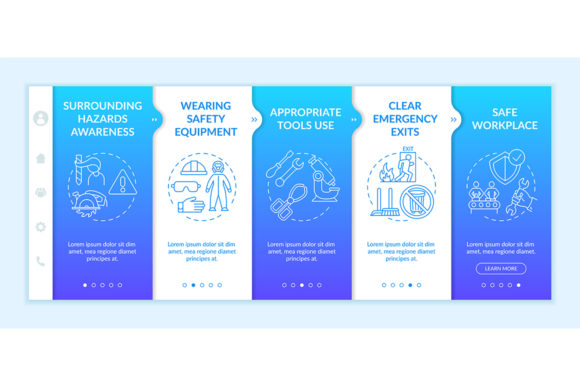
The core features of Workplace Safety Elements Web Pages include detailed guidance on wearing safety equipment, appropriate tools use, and the implementation of a responsive mobile website with icons. These elements are crucial for ensuring that workers can access and understand safety information efficiently, regardless of their location or device.
One standout aspect of the platform is its focus on visual communication. The inclusion of icons and step-by-step walkthroughs helps users navigate the content more effectively. This is especially beneficial for those who may not be familiar with technical jargon or complex safety procedures.
Additionally, the platform offers a range of downloadable assets, including a ZIP file containing EPS, JPG, PNG, SVG, and AI formats. These files allow users to customize and integrate the materials into their existing safety programs, making it easier to maintain consistent messaging and branding.
How Workplace Safety Elements Web Pages Stands Out
When compared to other resources, Workplace Safety Elements Web Pages distinguishes itself through its comprehensive approach to safety education. Unlike some platforms that focus solely on theoretical knowledge, this resource emphasizes practical application, ensuring that users can translate what they learn into real-world actions.
The integration of a RGB color concept further enhances the platform’s usability. By using a consistent and visually appealing color scheme, the website becomes more engaging and easier to navigate. This attention to detail reflects a commitment to user experience that is often overlooked in similar resources.
Another key differentiator is the availability of a vector template for onboarding. This feature allows organizations to create customized safety training modules that align with their specific needs and industry standards. It also simplifies the process of updating content as regulations and best practices evolve.
Comparing Workplace Safety Elements Web Pages with Alternatives
While there are several alternatives available, each with its own set of advantages, Workplace Safety Elements Web Pages offers a unique blend of functionality and accessibility. For instance, some platforms may provide more in-depth technical manuals, but they often lack the visual aids and interactive elements that make learning more engaging.
Other resources may focus on compliance alone, without addressing the broader aspects of workplace safety. In contrast, Workplace Safety Elements Web Pages takes a holistic approach, covering everything from PPE usage to digital accessibility. This makes it a more versatile option for organizations looking to address multiple facets of safety at once.
For example, a construction company might find that traditional safety guides are insufficient for training new employees. In this case, Workplace Safety Elements Web Pages could offer a more dynamic solution by incorporating multimedia elements and step-by-step instructions that cater to different learning styles.
Strengths and Tradeoffs of Workplace Safety Elements Web Pages
One of the main strengths of Workplace Safety Elements Web Pages is its adaptability. The platform can be tailored to suit a wide range of industries, from manufacturing to healthcare, making it a valuable tool for diverse organizations. Its emphasis on visual learning also supports employees who may struggle with text-based instruction.
However, there are tradeoffs to consider. While the platform provides a solid foundation, it may not replace the need for in-person training or hands-on demonstrations. For highly technical roles, additional resources may still be necessary to ensure full comprehension and proper execution of safety procedures.
Another consideration is the level of customization required. While the availability of vector files and multiple image formats is a benefit, it also means that users must have some design or technical expertise to fully utilize these assets. This could be a barrier for smaller organizations with limited resources.
Best Fit Situations for Workplace Safety Elements Web Pages
Workplace Safety Elements Web Pages is particularly well-suited for organizations that prioritize digital learning and want to streamline their safety training processes. It is ideal for companies with remote or distributed teams, as the responsive design ensures that all users can access the material seamlessly.
It is also a good fit for businesses that are looking to enhance their existing safety programs with modern, visually engaging content. The platform’s flexibility allows for easy updates, which is essential in industries where safety regulations frequently change.
For example, a retail business might use Workplace Safety Elements Web Pages to educate staff on proper handling of hazardous materials or emergency procedures. The step-by-step walkthroughs and icon-based navigation make it easier for employees to absorb critical information quickly.
When Other Options May Be More Suitable
While Workplace Safety Elements Web Pages is a strong choice for many organizations, there are scenarios where alternative solutions may be more appropriate. For instance, businesses that require highly specialized training, such as those in the chemical or nuclear industries, may need more advanced resources that go beyond the scope of this platform.
In cases where in-person interaction is essential, such as for high-risk tasks, a combination of online resources and hands-on training may be more effective. Similarly, organizations with limited digital infrastructure may find it challenging to implement a fully online safety program without additional support.
It is also important to consider the size of the organization. Smaller businesses with fewer employees may find that the cost and complexity of implementing Workplace Safety Elements Web Pages outweigh the benefits. In such cases, simpler, more affordable options may be more practical.
Conclusion: Making an Informed Decision
Workplace Safety Elements Web Pages offers a robust and visually engaging solution for organizations seeking to improve their safety protocols. Its emphasis on practical application, digital accessibility, and customizable assets makes it a valuable resource for a wide range of industries.
However, the decision to adopt this platform should be based on a careful evaluation of the organization’s specific needs, resources, and training requirements. By considering the strengths and limitations of Workplace Safety Elements Web Pages alongside other available options, businesses can make a more informed choice that aligns with their goals and operational realities.