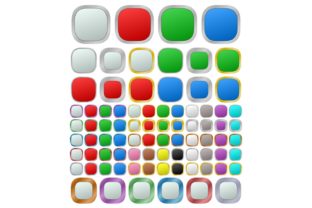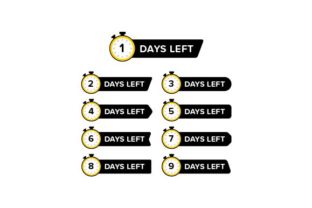
Time Left Button Ribbon Banner and This File Include - JPG - EPS10
The Time Left Button Ribbon Banner is a versatile design element that can enhance user engagement and provide critical information in real-time. Whether used in digital marketing, event promotions, or project management, this banner serves as a visual cue to highlight urgency or deadlines. When paired with file formats like JPG and EPS10, it becomes even more valuable for designers and developers looking to integrate dynamic elements into their projects.
Understanding the purpose of a Time Left Button Ribbon Banner is essential for leveraging its full potential. These banners typically display a countdown timer, indicating how much time remains before a specific event, sale, or deadline. The visual appeal of a ribbon-style design makes it ideal for capturing attention and creating a sense of urgency. By incorporating this feature into websites, mobile apps, or print materials, businesses can drive conversions and improve user interaction.
Key Features of Time Left Button Ribbon Banners
One of the most notable features of a Time Left Button Ribbon Banner is its ability to dynamically update. Unlike static banners, these designs change in real-time, reflecting the remaining time until a specified date or event. This functionality is particularly useful for limited-time offers, flash sales, or time-sensitive promotions. The countdown feature keeps users engaged and encourages immediate action.
Another important characteristic is the flexibility of design. A Time Left Button Ribbon Banner can be customized to match brand colors, typography, and overall aesthetics. This adaptability ensures that the banner blends seamlessly with existing design elements while maintaining its visual impact. Designers often use tools like Adobe Illustrator or Photoshop to create these banners, making it easy to adjust layouts, fonts, and color schemes.
File formats play a crucial role in the usability of a Time Left Button Ribbon Banner. Common formats such as JPG and EPS10 offer different advantages depending on the intended use. JPG files are ideal for web-based applications due to their small file size and compatibility with most browsers. On the other hand, EPS10 files are vector-based, allowing for scalable graphics without loss of quality. This makes them suitable for high-resolution printing or professional design projects.
Applications in Modern Workflows
The Time Left Button Ribbon Banner has found its place in various industries, from e-commerce to event planning. In online retail, these banners are commonly used to promote limited-time discounts, encouraging customers to make purchases before the offer expires. For example, an online store might display a Time Left Button Ribbon Banner next to a product, showing how many hours remain until a sale ends. This creates a sense of urgency and increases the likelihood of conversion.
In the realm of event management, Time Left Button Ribbon Banners can be used to track the countdown to a conference, webinar, or concert. These banners help attendees stay informed about upcoming events and can be integrated into email campaigns, social media posts, or landing pages. By using JPG or EPS10 files, organizers can ensure that the banner looks sharp and professional across different platforms and devices.
For digital agencies and creative teams, the Time Left Button Ribbon Banner is a valuable tool for client presentations and project proposals. It allows designers to showcase interactive elements that demonstrate the value of their work. Whether it's a website redesign, app development, or branding initiative, including a Time Left Button Ribbon Banner can add a layer of dynamism and interactivity that sets the project apart.
Practical Benefits and Considerations
One of the primary benefits of using a Time Left Button Ribbon Banner is its ability to boost user engagement. Studies have shown that time-sensitive content can significantly influence consumer behavior, prompting quicker decisions and higher participation rates. This makes the banner an effective tool for driving traffic, increasing sales, and improving customer retention.
However, there are several considerations to keep in mind when implementing a Time Left Button Ribbon Banner. First, it's important to ensure that the countdown is accurate and synchronized with the actual event or deadline. Any discrepancies could lead to confusion or mistrust among users. Additionally, the placement of the banner should be strategic—too prominent, and it may overwhelm the user; too subtle, and it may go unnoticed.
Designers should also consider the technical requirements of the Time Left Button Ribbon Banner. If the banner is going to be used on a website, it must be compatible with different browsers and screen sizes. Using JPG files can help optimize load times, while EPS10 files provide greater flexibility for future edits. It's also advisable to test the banner across multiple devices to ensure a consistent user experience.
Recommendations for Effective Use
To get the most out of a Time Left Button Ribbon Banner, it's best to start with a clear objective. Are you promoting a sale, tracking an event, or highlighting a deadline? Defining the purpose will guide the design and implementation process. For instance, if the goal is to increase sales, the banner should be visually striking and positioned near call-to-action buttons or product listings.
When working with JPG and EPS10 files, it's important to maintain a balance between quality and performance. High-resolution images may look great but can slow down page load times, negatively impacting user experience. Conversely, overly compressed files may appear blurry or distorted. Finding the right resolution for each format ensures that the Time Left Button Ribbon Banner looks professional and functions smoothly.
Finally, continuous monitoring and updates are essential for maintaining the effectiveness of a Time Left Button Ribbon Banner. As deadlines approach or events change, the banner should reflect these updates in real-time. Regularly reviewing the performance of the banner through analytics tools can help identify areas for improvement and refine future implementations.