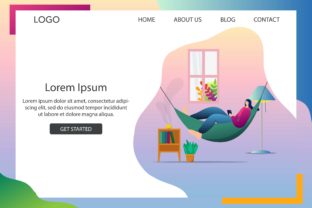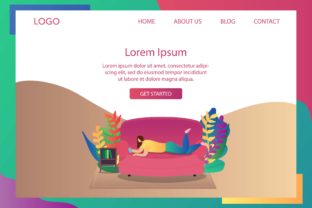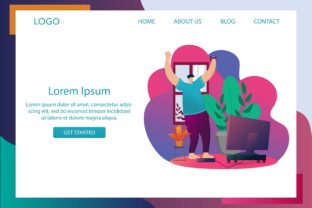
Landing Page Stay Home and Play Game: A Practical Guide to Integrating Digital Assets into Your Workflow
In today’s digital-first environment, landing pages serve as critical touchpoints for engagement, conversion, and user experience. The Landing Page Stay Home and Play Game is a specialized tool designed to enhance these interactions by offering a structured approach to content delivery, asset integration, and user retention. Whether you're managing a marketing campaign, developing a creative project, or optimizing a business process, understanding how to leverage this landing page can significantly improve your outcomes.
This article explores the role of the Landing Page Stay Home and Play Game in various workflows, from initial planning to long-term maintenance. It also provides insights into how it interacts with other digital assets such as AI-generated content, EPS, PNG, JPG, SVG, and DXF files, ensuring seamless integration across platforms and tools.
Understanding the Role of the Landing Page Stay Home and Play Game
The Landing Page Stay Home and Play Game functions as a centralized hub where users can access interactive content, multimedia assets, and actionable insights. Unlike traditional landing pages that focus solely on lead generation, this version emphasizes engagement through dynamic elements such as games, quizzes, and visual storytelling. This makes it particularly effective for audiences seeking an immersive experience while maintaining a clear purpose—whether it's learning, entertainment, or decision-making.
Its relevance spans multiple stages of a project or task. For instance, during the planning phase, it can be used to gather feedback, test ideas, or prototype user interactions. In execution, it serves as a platform for delivering content efficiently. After completion, it becomes a resource for ongoing engagement, data collection, and performance analysis.
Using the Landing Page Before, During, and After a Project
Before a Project: The Landing Page Stay Home and Play Game can act as a pre-launch tool to build anticipation and collect user input. By embedding interactive elements such as polls, surveys, or mini-games, you can gauge audience interest and refine your strategy before full deployment. This stage also allows for testing compatibility with different file formats like SVG or DXF, ensuring all visual assets are optimized for web use.
During a Project: As the project progresses, the landing page can serve as a real-time dashboard for tracking progress, updating content, and engaging users. For example, if you're running a digital marketing campaign, you can use the landing page to deliver targeted messages, track user behavior, and adjust tactics based on real-time data. Integrating AI-driven analytics can further enhance decision-making by providing insights into user preferences and engagement patterns.
After a Project: Once the project is complete, the landing page can transition into a support or educational resource. Users can revisit it to access additional materials, download assets, or participate in follow-up activities. This not only extends the lifespan of the project but also fosters long-term relationships with your audience.
Integrating the Landing Page with Other Tools and Assets
The Landing Page Stay Home and Play Game is most effective when integrated with other digital tools and resources. For example, using AI-generated content can help automate text creation, while EPS, PNG, JPG, SVG, and DXF files ensure high-quality visuals across different platforms. This synergy enhances the overall user experience and ensures consistency in branding and messaging.
When working with design teams, the landing page can act as a central repository for assets, making it easier to manage revisions, track changes, and maintain version control. For developers, it provides a framework for implementing responsive design, ensuring the page works seamlessly on desktop, mobile, and tablet devices.
Additionally, the landing page can be linked to external platforms such as social media, email marketing tools, or CRM systems. This creates a cohesive ecosystem where data flows smoothly between different channels, improving efficiency and reducing redundancy.
Practical Implementation Tips and Workflow Examples
To get the most out of the Landing Page Stay Home and Play Game, consider the following implementation tips:
- Define Clear Objectives: Start by identifying the primary goal of the landing page—whether it's lead generation, education, or engagement. This will guide your design choices and content strategy.
- Optimize for Speed and Accessibility: Ensure the page loads quickly and is accessible to all users, including those with disabilities. Use compressed image formats like JPG or PNG and implement lazy loading for large assets.
- Test Across Devices and Browsers: Verify that the landing page functions correctly on different devices and browsers. This includes checking compatibility with SVG and DXF files, which may require specific rendering engines.
- Track and Analyze Performance: Use analytics tools to monitor user behavior, conversion rates, and engagement metrics. This data can inform future improvements and help you refine your approach over time.
For example, a small business owner launching a new product might use the landing page to showcase the product through interactive demos, downloadable PDFs (EPS or JPG), and customer testimonials. By integrating this with an email marketing campaign, they can nurture leads and drive conversions more effectively.
Key Considerations for Long-Term Use
While the Landing Page Stay Home and Play Game offers immediate value, its long-term success depends on consistent maintenance and updates. Regularly review the content, update visual assets, and ensure compatibility with new technologies. This helps maintain relevance and keeps users engaged over time.
Another important factor is quality control. Ensure that all assets—whether AI-generated text, EPS illustrations, or SVG graphics—are high quality and aligned with your brand’s standards. This builds trust and reinforces your professional image.
Finally, consider the user experience. A well-designed landing page should be intuitive, easy to navigate, and visually appealing. By focusing on usability and accessibility, you create a positive impression that encourages repeat visits and long-term loyalty.
Conclusion: Making the Most of the Landing Page Stay Home and Play Game
The Landing Page Stay Home and Play Game is a powerful tool that can enhance your workflow, improve user engagement, and support your business goals. By understanding its role, integrating it with other assets, and following best practices for implementation, you can unlock its full potential. Whether you're a marketer, designer, entrepreneur, or educator, this landing page offers a practical solution for creating meaningful digital experiences.