Fractal Abstract Background: A Creative Design Concept
Fractal abstract background is more than just a visual trend—it's a powerful design tool that blends complexity with elegance. Whether you're working on a website, a marketing campaign, or a personal project, this concept offers a unique way to capture attention and convey depth. Its intricate patterns and repeating structures create a sense of movement and sophistication that can elevate any digital or physical space.
Understanding Fractal Abstract Background
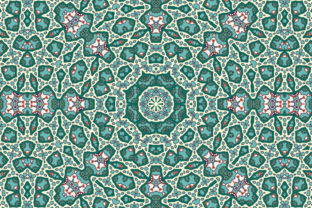
A fractal abstract background is based on the mathematical concept of fractals—patterns that repeat at different scales. These patterns can be organic, geometric, or a mix of both, creating a visually rich texture. Unlike traditional backgrounds, which often rely on solid colors or simple gradients, fractal designs add layers of visual interest without overwhelming the viewer.
The appeal of fractal abstract backgrounds lies in their versatility. They can be subtle or bold, depending on the design intent. This adaptability makes them suitable for a wide range of applications, from minimalist interfaces to vibrant artistic compositions.
Key Characteristics of Fractal Abstract Backgrounds
Fractal abstract backgrounds are known for their intricate detail and seamless repetition. Here are some defining traits:
- Repetitive Patterns: The core of a fractal is its self-similarity across scales, which creates a mesmerizing effect.
- Color Variety: These backgrounds often use a palette that ranges from monochromatic to highly colorful, depending on the desired mood.
- Depth and Movement: The layered nature of fractals can give the illusion of depth and motion, making the design feel dynamic.
- Customizability: Many designers use software tools to generate or modify fractal patterns, allowing for personalized results.
Why Fractal Abstract Backgrounds Matter
In today’s design landscape, standing out is essential. Fractal abstract backgrounds offer a fresh approach that can differentiate your work from the ordinary. They’re not just about aesthetics—they also serve functional purposes. For example, they can guide user attention, enhance readability, or support branding efforts.
Consider how a fractal abstract background might be used in a digital product. A website with a subtle fractal pattern in the background can feel more engaging without distracting from the main content. Similarly, in print materials, these backgrounds can add a touch of sophistication that elevates the overall look.
Practical Applications of Fractal Abstract Backgrounds
Fractal abstract backgrounds are widely used across various industries. Here are some real-world examples:
- Web Design: Websites often use fractal patterns as background elements to add visual interest while maintaining a clean layout.
- Marketing Materials: Brochures, posters, and social media graphics can benefit from the complexity of fractal designs to catch the eye.
- Interior Design: In physical spaces, fractal-inspired wall art or textiles can create a modern, artistic vibe.
- Product Packaging: Brands may incorporate fractal motifs into packaging to stand out on store shelves and reinforce brand identity.
Benefits Across Different Contexts
Fractal abstract backgrounds can provide tangible benefits in multiple areas:
- Usability: When used thoughtfully, they can enhance the user experience by adding visual cues without cluttering the interface.
- Branding: A consistent use of fractal patterns can help build a strong visual identity that resonates with audiences.
- Engagement: The intricate details of fractal designs can encourage viewers to explore and interact more deeply with the content.
- Productivity: In creative fields, these backgrounds can inspire new ideas and spark imagination during the design process.
Choosing the Right Fractal Abstract Background
Selecting the right fractal abstract background requires careful consideration. Start by understanding the purpose of the design. Is it for a professional setting, a personal project, or a commercial application? The answer will influence the style, color scheme, and level of detail needed.
Also, think about the platform where the background will be used. A fractal pattern that works well on a website may not translate effectively to a printed poster. Testing different options and gathering feedback can help ensure the final result meets the intended goals.
Creating Your Own Fractal Abstract Background
If you're interested in generating your own fractal abstract background, there are several tools available. Software like Adobe Illustrator, Photoshop, or specialized fractal generators can help you experiment with different patterns. Start with basic shapes and gradually introduce complexity to achieve the desired effect.
Remember, the key is balance. While fractals are inherently complex, overloading a design with too many details can detract from its effectiveness. Focus on harmony between the background and the primary content to maintain clarity and impact.
Final Thoughts on Fractal Abstract Background
Fractal abstract background is more than a passing trend—it's a versatile and meaningful design concept that can enhance visuals in countless ways. Whether you're a designer, marketer, educator, or business owner, incorporating this idea into your work can lead to more engaging and memorable outcomes.
As you explore the possibilities, keep an open mind and experiment with different styles. The beauty of fractal abstract backgrounds lies in their ability to evolve and adapt, offering endless opportunities for creativity and innovation.